


According to the U.S. Centers for Disease Control, hantaviruses are a family of viruses that humans can contract following contact with rodents, which frequently carry the virus, typically by breathing in particles from their dried saliva, urine, and droppings, like when sweeping a shed where rodents have been living.
Hantavirus infections are typically rare, with an estimated 200,000 to 300,000 cases per year globally, but they can result in severe illness and death. Hantaviruses found in the Americas, also known as New World hantaviruses, can cause hantavirus pulmonary syndrome, which presents with common symptoms like fever, fatigue, and muscle aches before progressing to more severe effects such as shortness of breath and fluid in the lungs. HPS has a fatality rate of 12 to 45 percent depending on the strain.
For variants more common in Europe and Asia, also known as Old World hantaviruses, patients can develop hemorrhagic fever with renal syndrome, which can cause kidney failure and has a fatality rate of one to 15 percent.
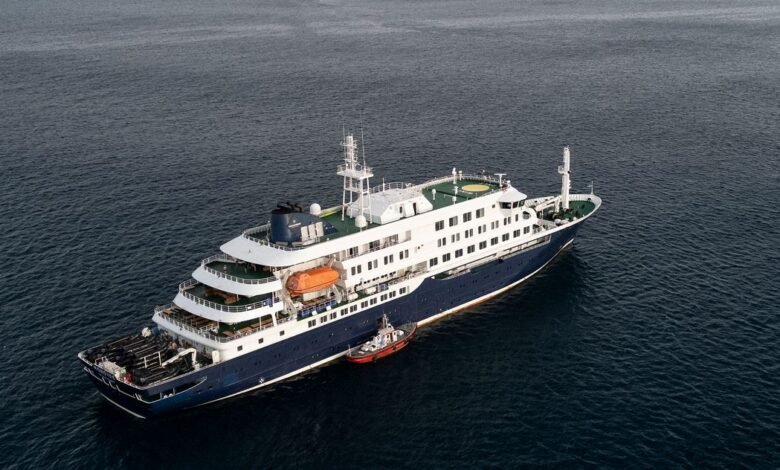
The strain of hantavirus linked to the cruise ship appears to be what’s known as the Andes strain, which, per the CDC, is common in South America and has been linked to human-to-human transmission. However, transmitting the hantavirus person-to-person is rare and typically requires close contact in an enclosed space. The Washington Post reports that Argentina, which appears to have a connection to this recent outbreak, has seen an increase of hantavirus cases in recent years and is frequently ranked by the WHO as the nation with the highest rate of the virus in Latin America.
Hantavirus also has a long incubation period, with symptoms typically appearing a few weeks after infection but sometimes as long as eight weeks after. On Thursday, Ghebreyesus said during a briefing that it is “possible” that more cases could be reported down the line as a result.
There is currently no cure nor widely available vaccine for hantavirus — surviving severe illness caused by the infection requires prompt medical intervention and ICU treatment.
One of the most prominent cases of hantavirus emerged last year after Betsy Arakawa, the wife of renowned actor Gene Hackman, was found to have contracted hantavirus pulmonary syndrome after the pair were found dead in their New Mexico home. Per the New York Times, it’s believed that Arakawa was likely infected from exposure to deer mice, which typically carry the virus in the state. In 2025, three people in Mammoth Lakes, California, died after contracting hantavirus.
For even more information about hantavirus, infectious-disease expert and doctor Céline Gounder has written an excellent explainer here.
Source link